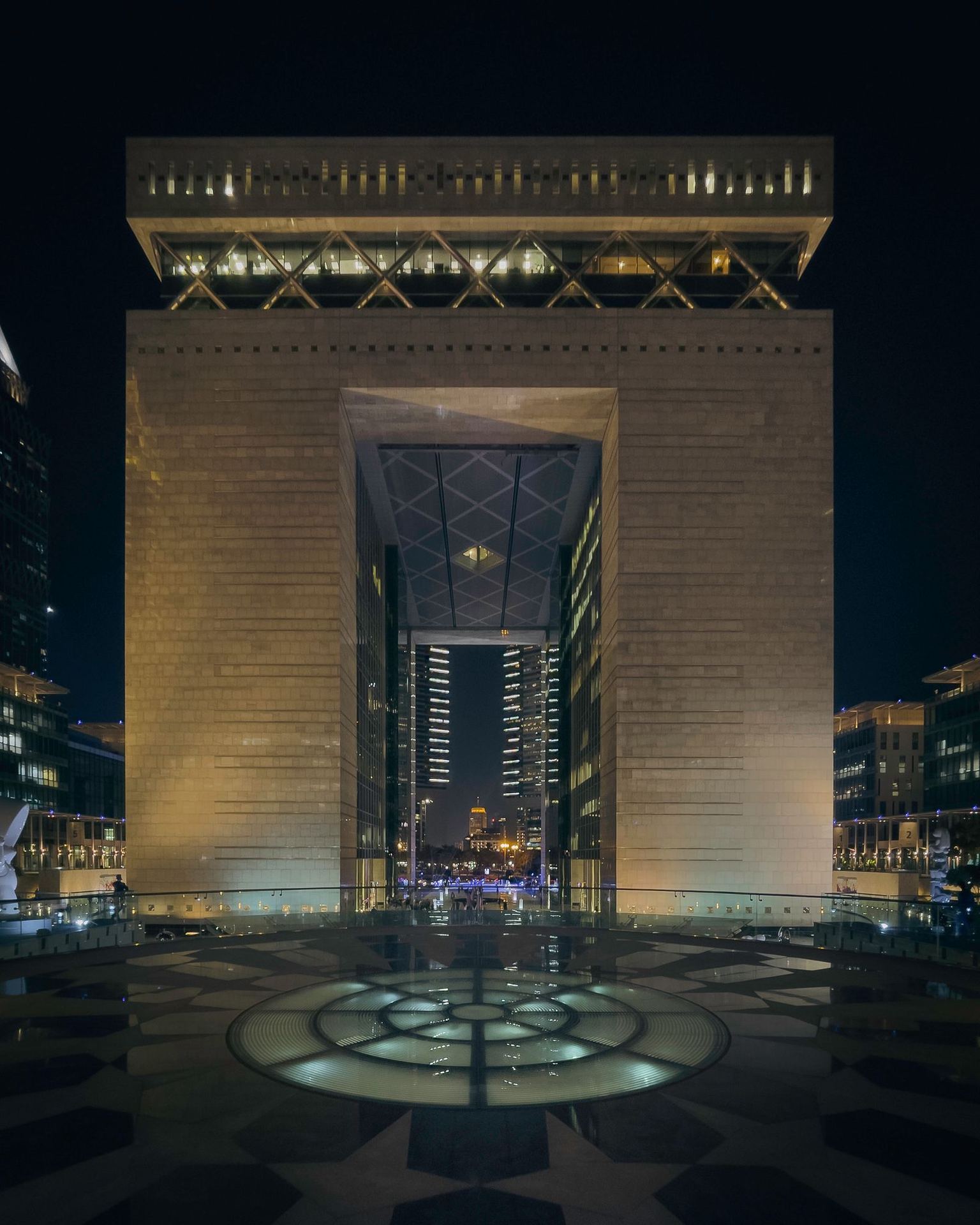
DIFC Free Zone Company Setup
Dubai International Financial Centre - an independent common-law jurisdiction built specifically for financial services, fintech, and wealth management, with its own courts and regulator.
DIFC (Dubai International Financial Centre) is not a general-purpose free zone - it's a purpose-built financial services jurisdiction operating under its own independent common-law framework, with its own courts and its own regulator, the DFSA. If your business is banking, asset management, fintech, insurance, or a professional services firm serving that sector, DIFC carries a level of institutional credibility no general trading free zone can match. For anything outside financial services, it's usually the wrong - and most expensive - choice.
Who DIFC suits best
- Financial services firms - banking, asset management, wealth management
- Fintech companies building regulated or semi-regulated financial products
- Insurance and reinsurance businesses
- Professional and legal services firms serving the financial sector specifically
Licensed activities
- Banking and asset management
- Fintech and financial technology
- Insurance and reinsurance
- Regulated and unregulated professional services (legal, consulting) tied to financial services
Cost profile
DIFC sits at the highest cost tier of any UAE jurisdiction covered on this site - licensing, regulatory, and office costs all run well above general trading free zones. That cost reflects genuine regulatory infrastructure (DFSA oversight, independent courts), not just branding, which is why it only makes sense for businesses that actually need it.
What sets DIFC apart
Legal and regulatory independence. DIFC operates under English common law rather than UAE civil law, with its own independent judiciary (the DIFC Courts) and its own financial regulator (the DFSA). For international financial institutions and investors, that framework is often the deciding factor over cost - it's a familiar legal system with a track record, not a general free zone with a trading licence attached.
Setup process
Activity & licence match
We confirm your activity fits DIFC's permitted activity list and licence category - the list is narrower than a general trading free zone by design, split between regulated financial activities requiring DFSA authorisation and a smaller non-financial and retail category.
Trade name reservation
Reserved directly with Dubai International Financial Centre.
Application & documentation
Application form, passport copies, and Memorandum of Association submitted. Financial services licences are reviewed by the DFSA (Dubai Financial Services Authority), not just the free zone authority - this typically means a more substantial application, including regulatory business plans and capital requirements, submitted at this stage.
Licence issuance
The DIFC trade licence is issued by the DIFC Authority once documents and fees are finalised. For regulated financial activities, this step follows DFSA sign-off rather than preceding it - the regulatory approval is the real gate, and licence issuance itself is largely administrative once that's granted.
Office/facility & visa allocation
DIFC operates under its own English common-law framework with dedicated courts, separate from onshore UAE civil law - office requirements and visa quota follow standard free zone rules, but the regulatory approval from the DFSA is the real gating step for financial licences.
DIFC questions, answered.
It depends on your activity - regulated financial activities (banking, asset management, insurance) require DFSA authorisation, while some professional services can operate under a non-regulated DIFC licence. We confirm which applies during activity assessment.
Usually not. DIFC's cost and regulatory overhead are built for financial services credibility - a general consulting business without that sector focus is almost always better served by a lower-cost zone.
DIFC operates under an independent common-law framework with its own courts, separate from UAE civil law and the standard federal court system - a structure specifically designed to be familiar to international financial institutions and investors.
Non-financial registrations can move in a similar timeframe to other UAE free zones, but regulated financial services licences take longer because of the DFSA's own review process on top of standard incorporation - this is the step that most affects the overall timeline, not the free zone paperwork itself.
Yes - DIFC has a retail and non-financial registration category covering businesses like law firms, professional services and Gate Avenue retail and F&B outlets, alongside its core financial services registrations.
Start your DIFC company setup.
Tell us your activity and we'll confirm the right licence category, cost, and timeline for DIFC.